
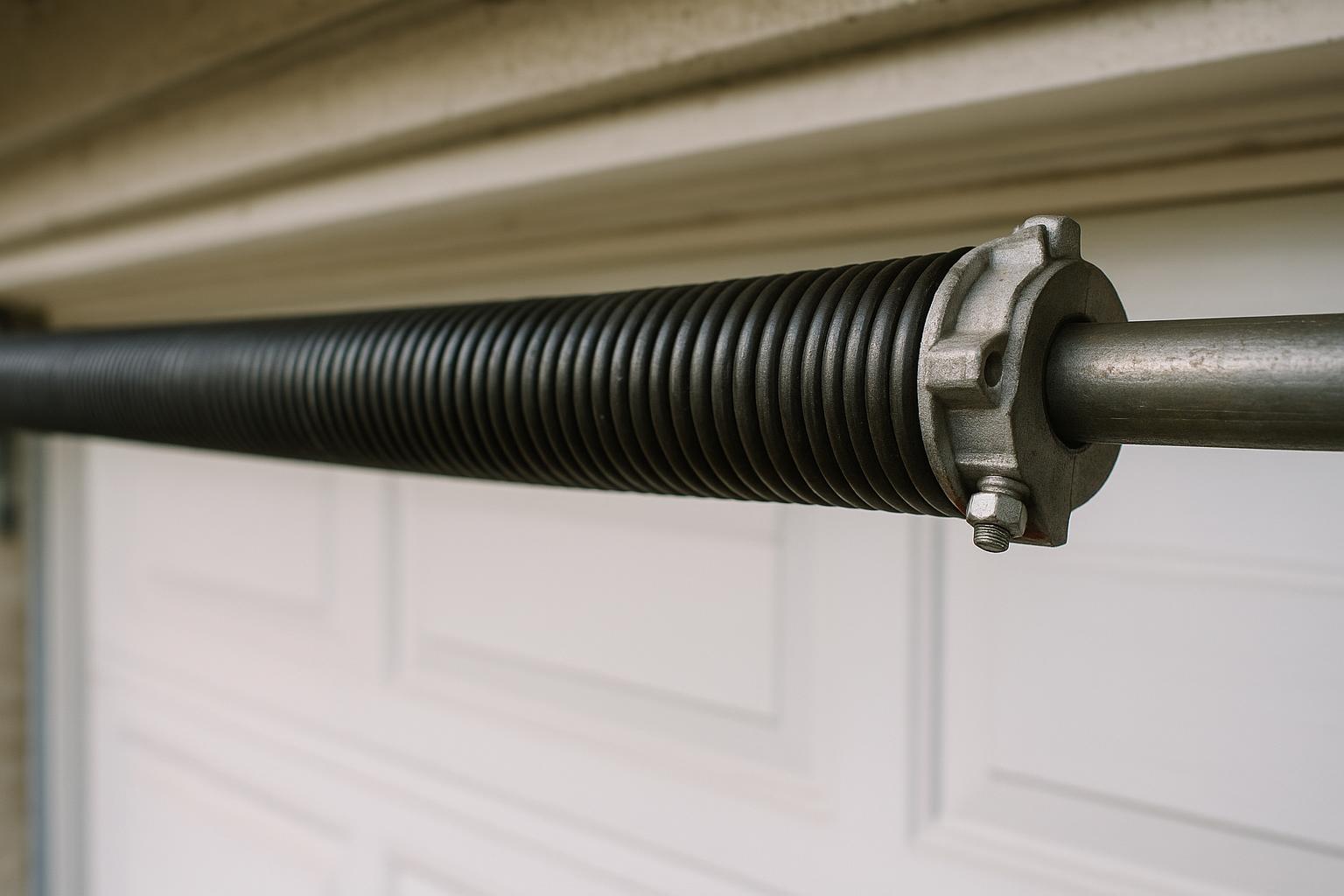
Your Garage Door Springs Are Doing More Work Than You Think
Every time you open and close your garage door, the springs are doing the heavy lifting — literally. A standard residential garage door can weigh anywhere from 130 to 350 pounds, and without properly functioning springs, your opener alone can't handle that load. Springs are under enormous tension, and over time, they wear out. For homeowners in Aurora, OH, where temperature swings between harsh winters and humid summers put extra stress on metal components, understanding your garage door springs is essential to avoiding a frustrating — or even dangerous — breakdown.
So how often should you replace your garage door springs? And how do you know when it's time? Let's break it all down.
The Two Types of Garage Door Springs
Before we talk about replacement timelines, it helps to know which type of springs your garage door uses. Most residential doors rely on one of two systems:
Torsion Springs
These are mounted on a metal shaft directly above the garage door opening. They twist and unwind to raise and lower the door. Torsion springs are the more common type in modern garage door systems and tend to offer smoother, more balanced operation.
Extension Springs
These run along the horizontal tracks on either side of the door. They stretch and contract to assist with lifting. Extension springs are often found on older garage door systems and lighter single-car doors. They typically include safety cables to prevent the spring from becoming a projectile if it snaps.
Both types wear out over time, but their lifespans and warning signs differ slightly.
How Long Do Garage Door Springs Last?
Most standard garage door springs are rated for approximately 10,000 cycles. One cycle equals one full open-and-close of the door. If you use your garage door four times a day — which is typical for a household that uses the garage as a primary entry point — that works out to roughly seven to nine years of use.
However, several factors can shorten or extend that lifespan:
- Frequency of use: Families that open and close the door more often will burn through cycles faster.
- Climate: Here in Aurora, our cold winters cause metal to contract and become more brittle, which accelerates wear. Moisture and road salt can also contribute to corrosion.
- Maintenance: Springs that are regularly lubricated and inspected tend to last longer than neglected ones.
- Spring quality: Higher-cycle springs (rated for 20,000 or even 25,000 cycles) are available and can double the lifespan of your system.
If your garage door springs are approaching the seven-year mark and you've never had them inspected, now is a smart time to schedule a professional evaluation.
Warning Signs Your Springs Need Replacement
Springs rarely fail without giving you some advance warning. Here are the most common signs Aurora homeowners should watch for:
The Door Feels Heavier Than Usual
Try disconnecting the opener by pulling the emergency release cord, then manually lift the door. A properly balanced door should lift smoothly and stay open about three to four feet off the ground. If the door feels extremely heavy or slams down when you let go, your springs are likely losing tension.
Visible Gaps in the Spring
Torsion springs that have snapped will show a visible gap — usually a few inches — in the coil. This is the clearest sign that the spring has broken and needs immediate replacement.
Loud Bang from the Garage
Many homeowners report hearing a loud bang — almost like a gunshot — coming from their garage. This is often the sound of a torsion spring snapping. If this happens, do not attempt to operate the door. A broken spring under tension is extremely dangerous.
The Door Opens Unevenly or Crooked
If one spring has weakened or broken while the other is still functional, the door may rise unevenly, tilting to one side. This puts stress on the opener, the tracks, and the remaining spring, which can lead to additional damage.
The Opener Struggles or Stops Working
When springs can no longer assist with the door's weight, your garage door opener is forced to compensate. You might notice the motor straining, the door opening only partway, or the opener shutting off entirely due to the safety overload feature.
Can You Replace Garage Door Springs Yourself?
We understand the DIY spirit — and there are plenty of garage door tasks that handy homeowners can handle on their own, like lubricating hinges or tightening hardware. Spring replacement is not one of them.
Garage door springs are under extreme tension. A torsion spring that releases unexpectedly can cause serious injury or even death. Professional technicians have the specialized tools, training, and experience to safely remove old springs and install new ones without putting anyone at risk.
At Aurora Garage Door, we handle spring replacements regularly for homeowners throughout Aurora, Streetsboro, Hudson, Twinsburg, and the surrounding area. We always replace springs in pairs — even if only one has broken — because the second spring is almost certainly near the end of its life as well. Replacing both at once saves you money and prevents a second service call a few weeks or months later.
How to Extend the Life of Your Garage Door Springs
While springs will eventually wear out no matter what, a little preventive care goes a long way:
- Lubricate your springs twice a year. Use a silicone-based or white lithium garage door lubricant. Apply it along the full length of the coils. This reduces friction, prevents rust, and helps the springs operate smoothly — especially important before winter sets in here in Northeast Ohio.
- Schedule annual maintenance. A professional tune-up includes a spring tension check, balance test, and full inspection of all moving parts. Small issues caught early are far cheaper to address than emergency repairs.
- Upgrade to high-cycle springs. If you're replacing your springs, ask about high-cycle options. Springs rated for 20,000 or 25,000 cycles cost a bit more upfront but can last 15 to 20 years with proper care.
- Keep the tracks and hardware in good shape. Misaligned tracks, loose brackets, and worn rollers force your springs to work harder than they should, shortening their lifespan.
What to Do When a Spring Breaks
If you suspect a broken spring, here's what we recommend:
- Do not try to open or close the door. Operating a garage door with a broken spring can damage the opener, bend the tracks, or cause the door to fall unexpectedly.
- Disconnect the opener. Pull the emergency release handle to disengage the door from the motorized system.
- Call a professional. A trained technician can safely assess the situation and complete the replacement — often in under an hour.
We offer emergency garage door service for situations like this because we know a non-functional garage door disrupts your entire day. Whether you're in Mantua, Solon, or right here in Aurora, we'll get to you quickly and get your door working safely again.
Don't Wait for a Breakdown
Garage door springs are one of those components that are easy to ignore until they fail. But a little awareness and routine maintenance can save you from the inconvenience of being stuck with a door that won't open on a freezing January morning. If your springs are getting older, making unusual noises, or showing any of the warning signs above, give Aurora Garage Door a call. We'll inspect your system, give you an honest assessment, and make sure your door is safe and reliable for years to come.